Earth architecture was the new pattern in what the big architecture magazines published and readers opened between 6 and 12 October 2026: rammed earth on the Australian coast, houses that recall rooms cut from rock, and 3D-printed earth bricks. Reuse, which led the Journal's last report, stayed the most common subject of all. This report reads ArchDaily, Dezeen, designboom, Architectural Digest and Wallpaper side by side, and links every story it counts.
Key takeaways
- Earth and rock were the new thread. Three of the 18 stories in the reader rankings of Dezeen, designboom and AD were about rammed earth, rock-cut space or printed earth, and Dezeen published Grimshaw's rammed-earth visitor centre on 12 October.
- Reuse is now the baseline. Fourteen reuse or renovation stories ran across four magazines' feeds in the week, and two of AD's three trending stories were revived old houses.
- Readers want to live with the masters. Wallpaper ran two new Phaidon books on architects' and Japanese houses and the stalled sale of the Stahl House, while designboom readers kept returning to Bawa and Ronchamp.
- The giga-project story will not go away. Neom Stadium was still Dezeen's second most-commented story, alongside a Dezeen podcast on why The Line failed.
What we read
Every page below was observed on Monday 12 October 2026 and is linked in the table; the feeds and stories counted are listed in the sources. This is the Journal's second trend report in three days: Saturday's report covered 4 to 10 October, and the Monday report is a fixed weekly slot, so some stories appear in both. Most-read lists are snapshots, not rankings of the year.
| Page | What it shows | Leading items on 12 October |
|---|---|---|
| designboom, "10 most popular articles this week" | Reader ranking, past 7 days | 1. Zaha Hadid's former London headquarters; 2. Geoffrey Bawa essay; 3. Ronchamp revisited; 4. Salagón stone in a rock-cut complex; 10. 3D-printed earth bricks |
| Dezeen homepage, "Most popular" and "Most commented" | Reader ranking | Popular: 2. a "monolithic" concrete house recalling rock-cut monastic homes; 3. a red extension to a former pigsty. Commented: 2. Neom Stadium "shelved indefinitely" |
| ArchDaily homepage, "Featured" | Editors' choice (no most-visited list is shown) | A student residence, a pavilion for Japan's National Tree Planting Festival and a café |
| Architectural Digest, Architecture + Design, "Trending Stories" | Reader ranking | A Paris pied-à-terre; an 1850s cottage in San Francisco revived; a 1980s Swiss chalet remade with old wood and stone |
The feeds were then read item by item: Dezeen and designboom from 7 to 12 October, ArchDaily for 11 and 12 October, and Wallpaper's architecture feed from 5 to 12 October, which is what each feed carried on the day. Paid promotions and product launches were left out.
Pattern 1: earth architecture moves from the house to the public building
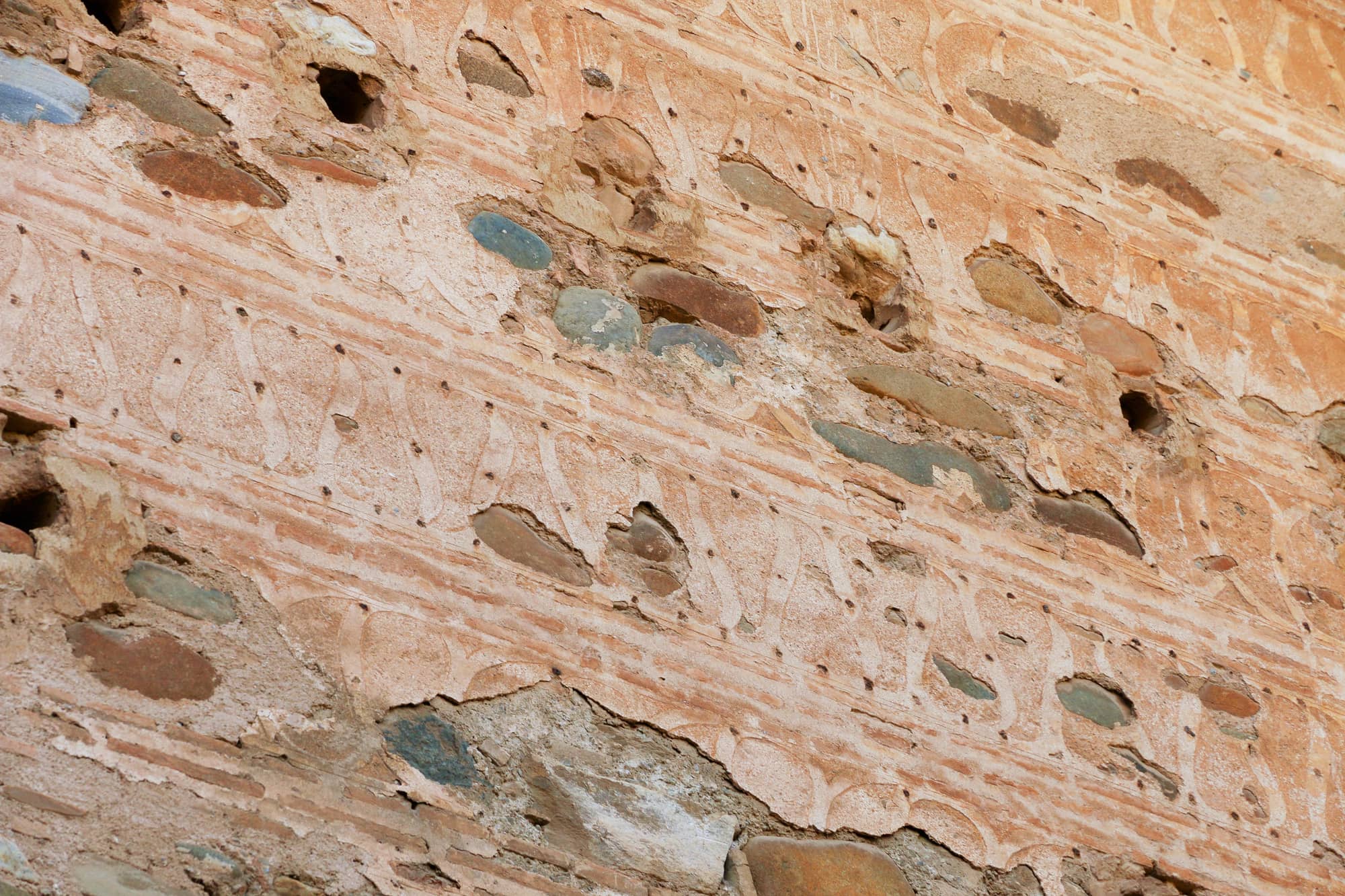
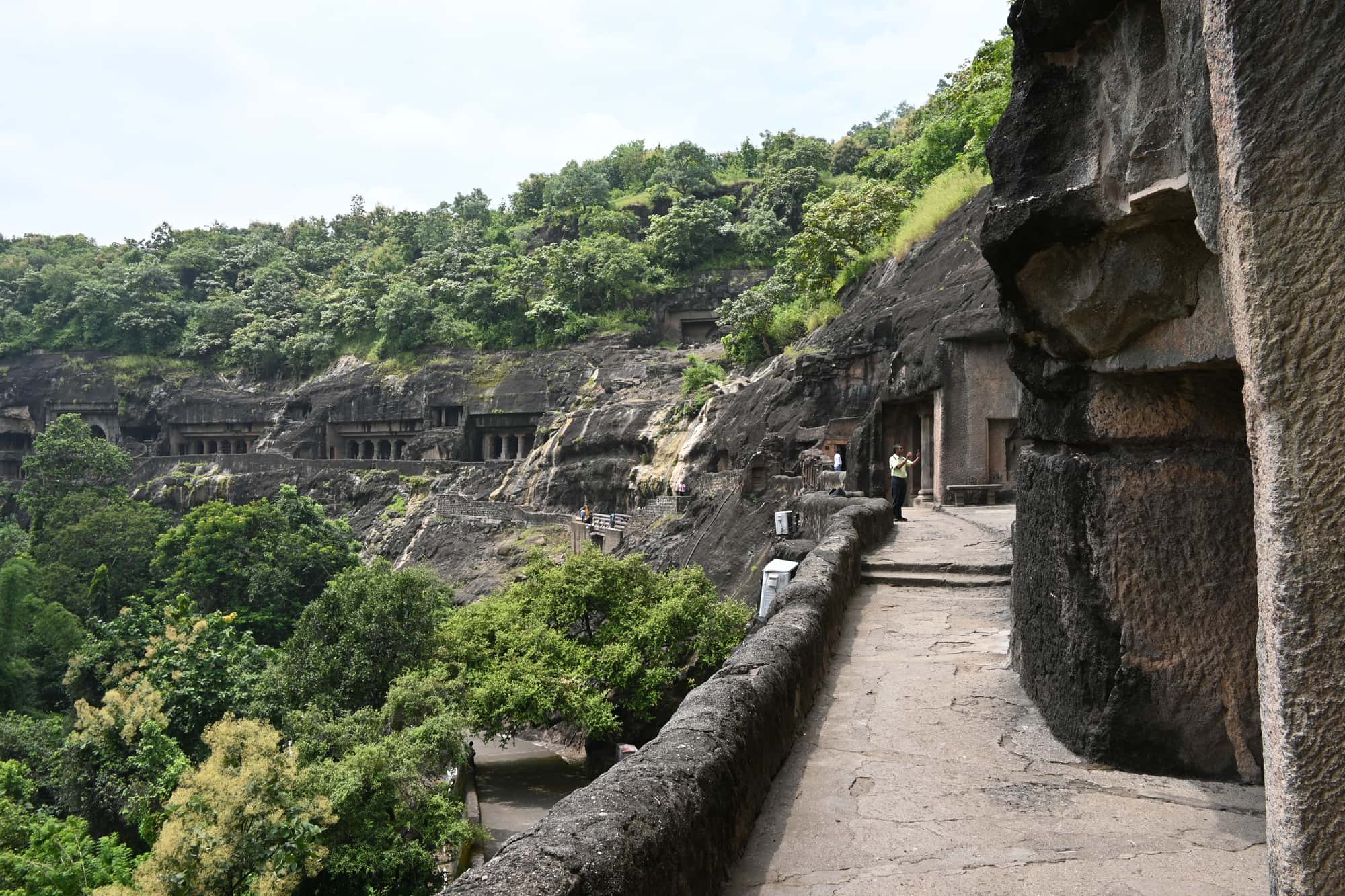
Three of the week's ranked stories were about building with earth or carving into rock. On Dezeen, the second most-read story was Roomoor's Monastic Field, a concrete house in a Jain temple precinct in Baleshwar, India, that recalls the rock-cut dwellings of monks on the Deccan Plateau. On designboom, readers ranked fourth the Salagón stone and timber inserted into a historic rock-cut complex in La Rioja, Spain, and tenth a habitat of robotically 3D-printed earth bricks wrapped around an olive tree, from MTRL and the Technion.
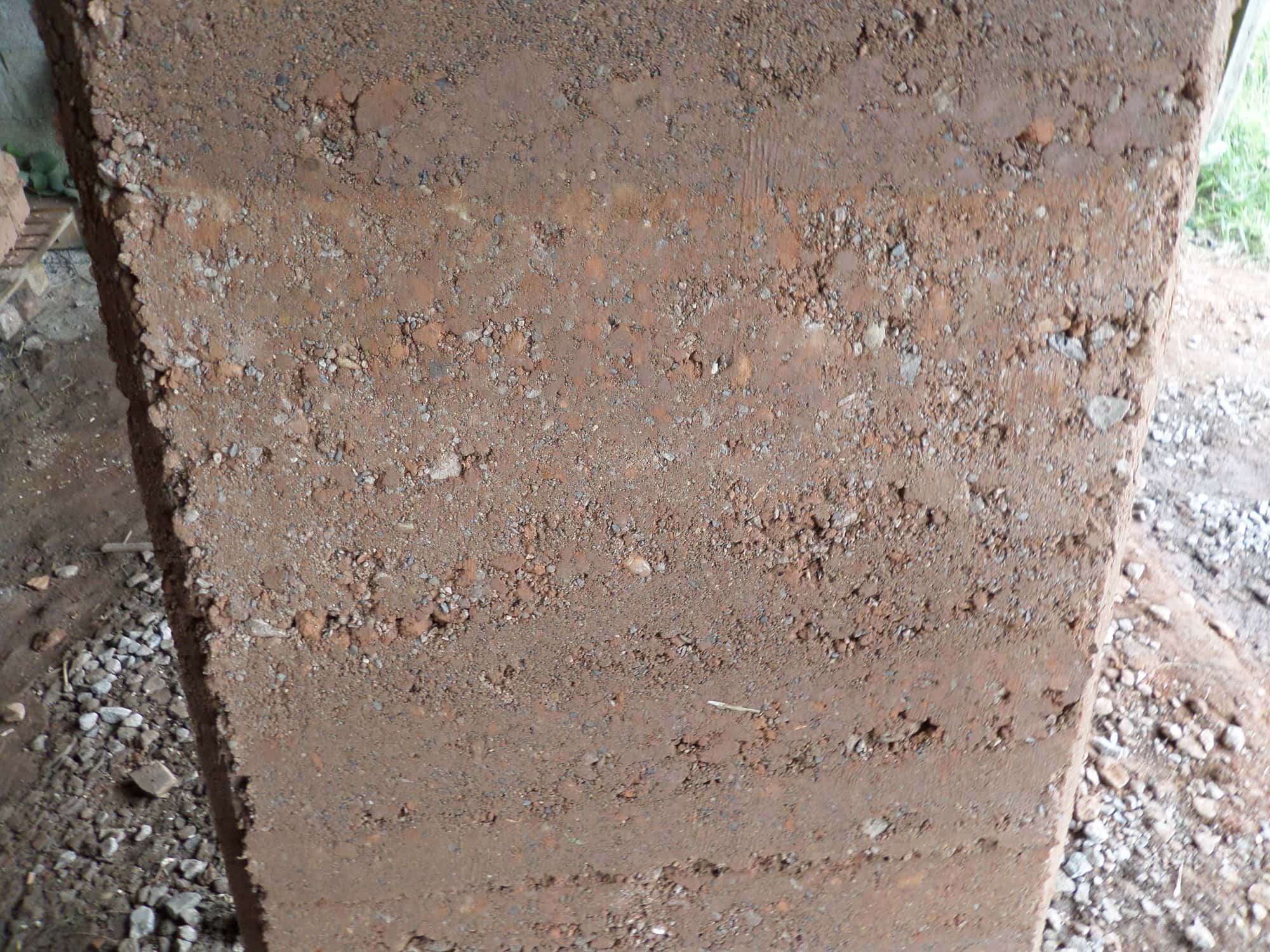
Then, on 12 October, Dezeen published Grimshaw's rammed-earth visitor centre for the Twelve Apostles in Victoria, which the Journal covers in its own report on the Twelve Apostles visitor centre. That is the step that matters. Earth has long been a material for houses, pavilions and experiments; a 3,300 m² public building for one of Australia's most visited landscapes is a different kind of proof.
Stone ran alongside it, though more of it was commercial. Dezeen also carried two paid promotions for natural stone in the same week, a sign that the industry senses the mood, and AD's third trending story was Axel Vervoordt's remaking of a 1980s chalet with centuries-old woodwork and ancient stone.
Pattern 2: reuse becomes the baseline
Reuse no longer reads as a trend so much as the default. Across the feeds the Journal counted 14 reuse, renovation or conversion stories in the week. Dezeen had seven, among them a former brewery near Brno turned into a community centre, a red extension to a former pigsty home in the Czech Republic, which readers made Dezeen's third most popular story, a Victorian power station for the University of Oxford, and plans to turn a school into housing for displaced Ukrainians. designboom added OMA's conversion of a 1930s coffee plant in Houston into a music and arts academy, and its top story, Hadid's former studio reopening as the Zaha Hadid Foundation. ArchDaily published a former railway signal box turned into a kiosk-bar and a commercial renovation by Mix Architecture, and Wallpaper ran three house renovations, including Studio Weave's South Barn on the Isle of Wight, which it framed as "deep reuse".
The difference from last week is scale. The Journal's previous report was led by a skyscraper, a museum and a famous architect's former studio; this week's reuse was mostly domestic and modest, a barn, a pigsty, a cottage, a chalet. Two of AD's three trending stories were old houses brought back to life.
Pattern 3: living in the masters' houses
The third thread was the private house as a work of history. Wallpaper reviewed two new Phaidon books, Dominic Bradbury's Architects' Houses and Kanae Hasegawa's Living in a Japanese House, and reported that the Stahl House in Los Angeles, Pierre Koenig's Case Study House No. 22, has been on the market for nearly a year and has had its price cut by $5 million. It also ran a piece on post-war Belgian modernism, much of it overlooked or already lost. On designboom, an essay on Geoffrey Bawa and a photographic return to Le Corbusier's Ronchamp were still the second and third most-read stories. The appetite for named histories that drove the Journal's brutalism explainer has not faded.
Pattern 4: the giga-project keeps falling
At the other end of the scale, the report that Saudi Arabia's Neom Stadium has been shelved indefinitely was still Dezeen's second most-commented story, and Dezeen's weekly podcast asked why The Line failed. Domus also returned to the stadium on 8 October. Read with the other patterns, the week has a clear moral: readers are drawn to what is local, heavy and lasting, and they are tired of what is vast and speculative.
What the studio is talking about
The student forums the Journal reads as signals were not readable to scripts this week, so this section relies on what the magazines aimed at students. The Architects' Journal ran a piece on why architecture is still worth studying, even for those who do not become architects (8 October), Dezeen showed projects from the Festival of the Future school shows (9 October), and Archinect carried a piece from the school Yacademy on whether it is hard to succeed in architecture (6 October). Careers and the value of the degree are the questions in the air.
What earth architecture means for students
Earth and reuse ask the same question of a design: what is already here? For a studio project, that means starting with the ground as well as the building. Find out what the site is made of, whether its soil or stone could become walls, and what that would do to the plan, the section and the thickness of the walls. Draw the layers. Learn how rammed earth, compressed earth blocks and stone behave in your climate before you render them. More guides are in the Journal's Architecture School section.
Method
Pages were read on 12 October 2026. A story was counted in a pattern only when its headline or opening paragraph made the theme explicit, and each story was counted once, in its strongest pattern. The three reader rankings (Dezeen's five most popular, designboom's ten most popular and AD's three trending stories) total 18 items. ArchDaily's homepage was used for what its editors featured, because it shows no reader ranking. Promotions and product launches were excluded.
FAQ
What is trending in architecture right now?
What is trending in architecture in October 2026 is earth and reuse: rammed earth, rock-cut space and stone were the new pattern this week, while renovations and conversions remained the most common subject.
What is earth architecture?
Earth architecture is building with soil or rock as the main material, from rammed earth and adobe to compressed earth blocks and rooms carved into rock. This week it ranged from a 3D-printed habitat to Grimshaw's visitor centre at the Twelve Apostles.
What are the current architecture trends for students?
The current architecture trends for students are reuse of existing buildings, earth and other local materials, and the study of modernist houses, according to what ArchDaily, Dezeen, designboom, AD and Wallpaper published and readers opened this week.
Sources
- Dezeen feed, 7–12 October 2026Dezeen
- designboom architecture feed, 7–12 October 2026designboom
- ArchDaily feed, 11–12 October 2026ArchDaily
- Wallpaper* architecture feed, 5–12 October 2026Wallpaper*
- Robotically 3D printed earth bricks wrap multispecies habitat around olive treedesignboom
- OMA adapts historic Houston coffee plant into music and arts academydesignboom
- How South Barn, the reimagining of an Isle of Wight farm building, shines a light on 'deep reuse'Wallpaper*
- The Stahl House – one of LA's most famous midcentury homes – still hasn't found a buyerWallpaper*
- Why architecture is still worth studying – even if you don't become an architectThe Architects' Journal