Current architecture trends, judged by what the big architecture magazines published and what their readers opened between 4 and 10 October 2026, point one way: old buildings getting second lives. Restorations, renovations and conversions led the most-read lists at designboom and Dezeen and filled their feeds, ahead of a second wave of timber and bio-based pavilions. This report reads ArchDaily, Dezeen, designboom and Architectural Digest side by side and describes the patterns, with a link to every page counted.
Key takeaways
- Reuse led the week. The most-read story on designboom and the second most-read on Dezeen were both about giving an old building a new life; 13 reuse and renovation stories ran across the two magazines' feeds in seven days.
- Timber and bio-based materials came second, mostly in small pavilions and houses: 7 stories across Dezeen and designboom.
- Readers went back to the masters. Two of designboom's five most-read stories revisited mid-century modernists: Geoffrey Bawa and Le Corbusier's Ronchamp.
- Play is a theme. Architectural Digest named a "childlike" design movement, and Dezeen quoted Kevin McCloud saying homes are getting more playful.
- Missing this week: almost no AI-in-design stories, and no blob or postmodern-colour cluster.
What we read
Every page below was observed on Saturday 10 October 2026. Most-read lists change daily, so they are a snapshot, not a ranking of the year.
| Page | What it shows | Leading items on 10 October |
|---|---|---|
| designboom, "10 most popular articles this week" | Reader ranking, past 7 days | 1. Zaha Hadid's former London headquarters reopens; 3. Geoffrey Bawa essay; 4. Ronchamp revisited; 5. Salagón stone and timber in a rock-cut complex |
| Dezeen homepage, "Most popular" and "Most commented" | Reader ranking | Popular: 2. the Chrysler Building restoration; 3. a prefab house on a wooden wardrobe; 4. Sugi House, Kyoto. Commented: 2. Neom Stadium "shelved indefinitely" |
| ArchDaily homepage, "Featured" | Editors' choice (ArchDaily shows no most-visited list) | Bilbao Fine Arts Museum by Foster + Partners; Amherst College by Herzog & de Meuron and Sasaki; the Fondation Beyeler by Peter Zumthor |
| Architectural Digest, Architecture + Design, "Trending Stories" | Reader ranking | A London Victorian renovation; a piece on "childlike" design |
The feeds of Dezeen and designboom for 4–10 October were then read item by item and sorted by material, typology and theme. ArchDaily's project pages, which list the program of each building, were used as a check.
Pattern 1: second lives for old buildings
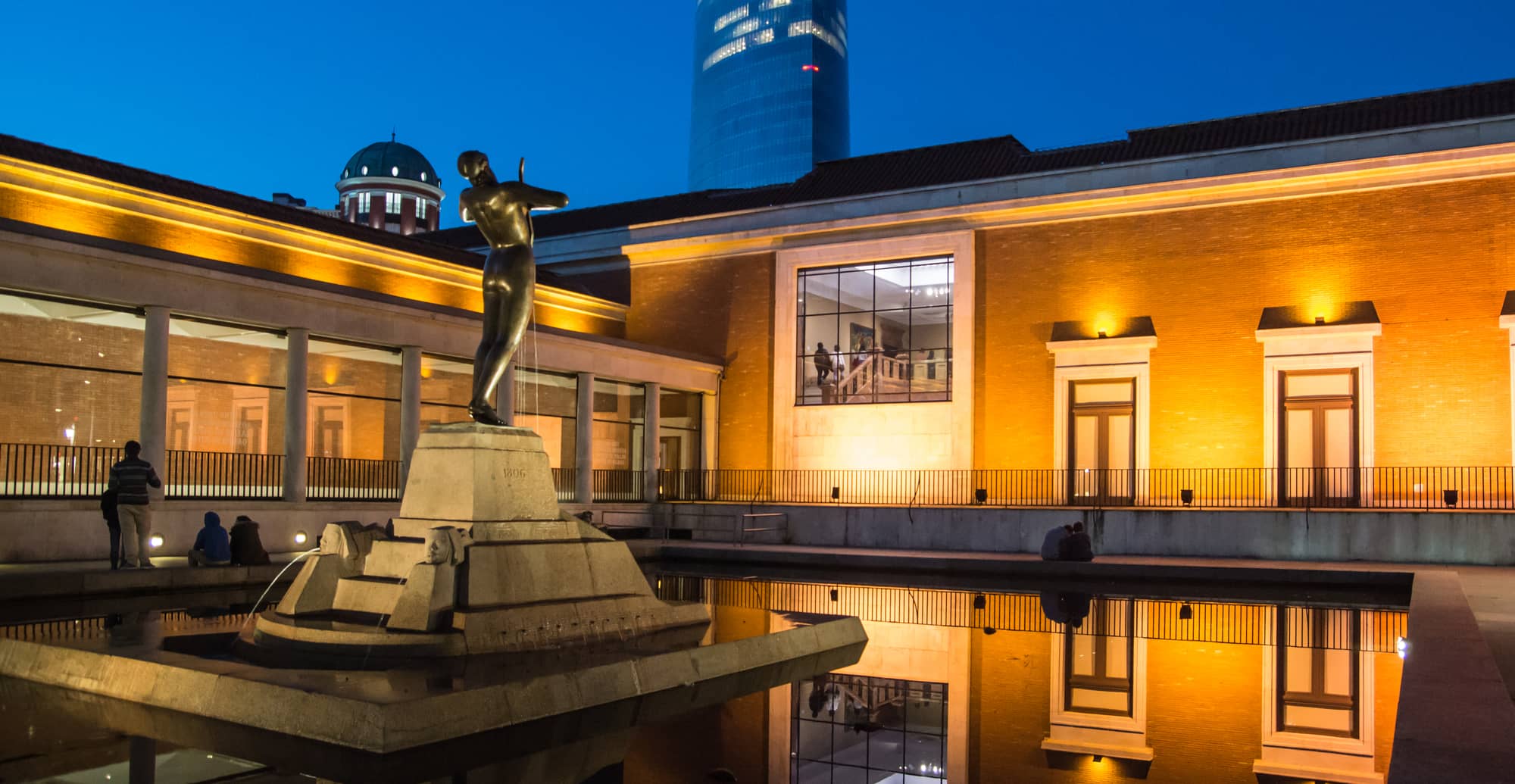
The week's clearest pattern was reuse. The top story on designboom was the Zaha Hadid Foundation taking over Hadid's former studio in a Victorian school in Clerkenwell. Dezeen's second most-read was the Chrysler Building restoration. ArchDaily's first featured project was the Bilbao Fine Arts Museum extension.
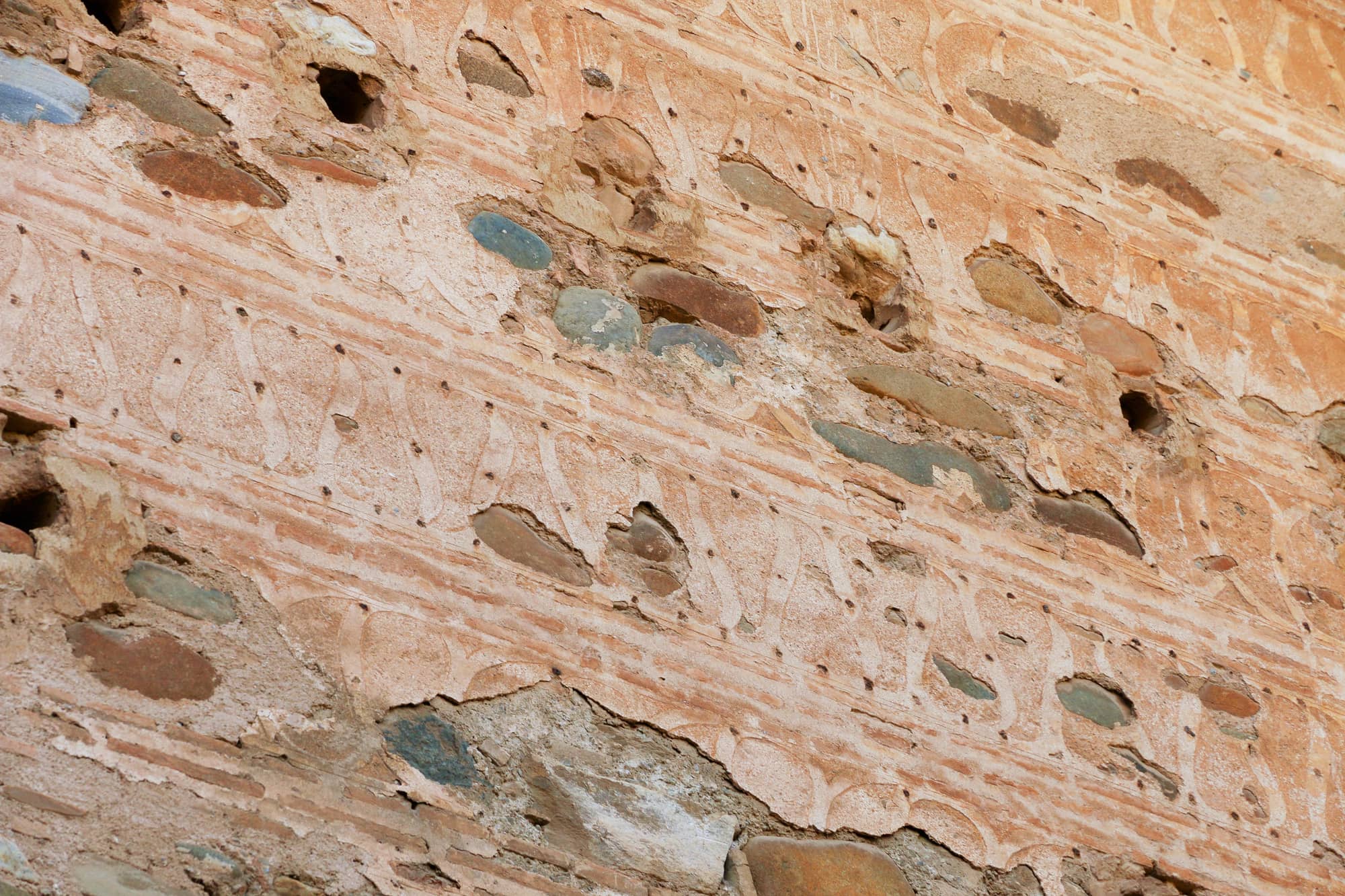
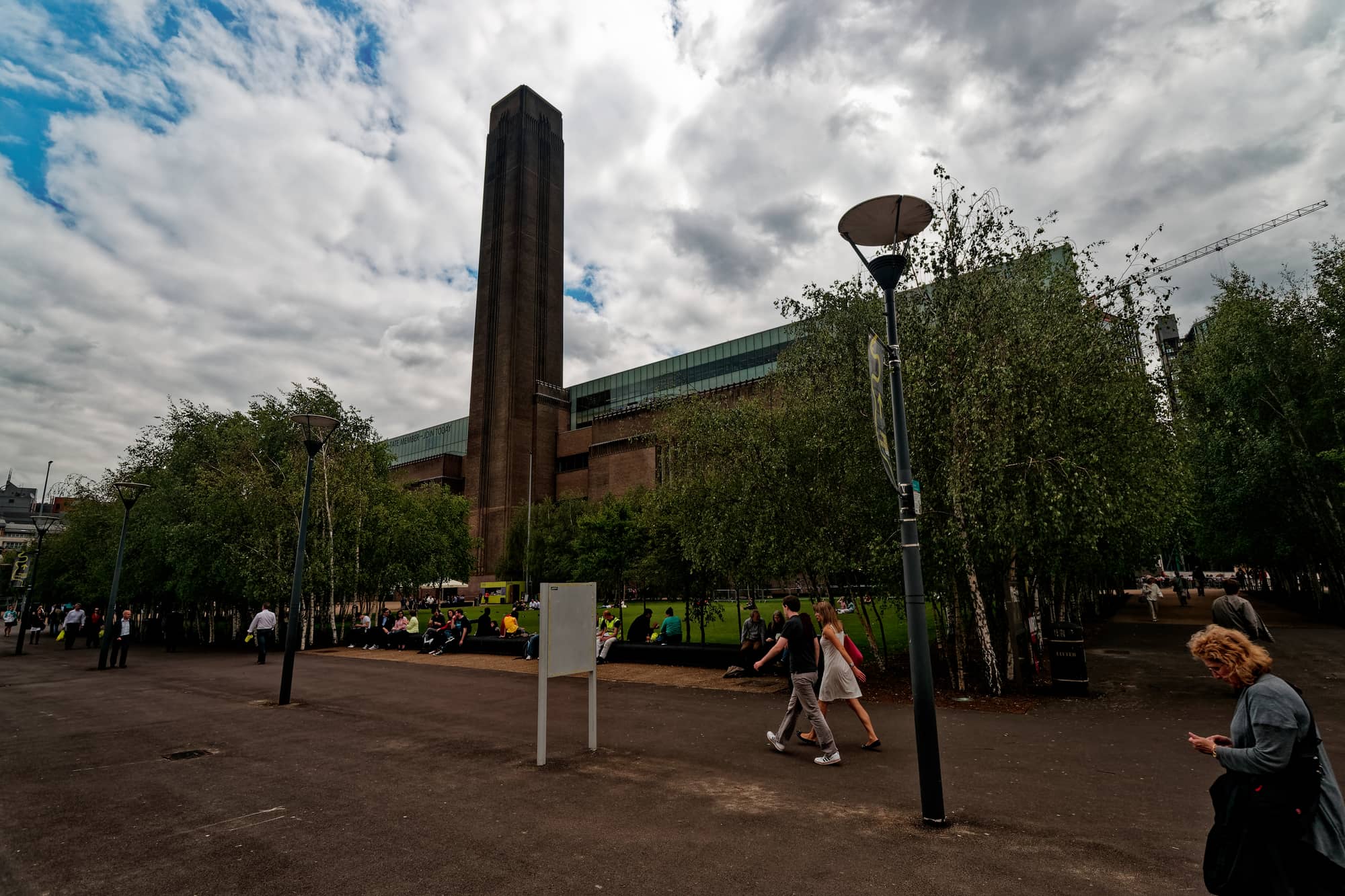
Beneath the headliners, the feeds were full of it. Dezeen ran nine reuse, renovation or restoration stories in seven days: a former brewery in Brno turned into a community centre, a Victorian power station converted for the University of Oxford by John McAslan + Partners, a school becoming housing for displaced Ukrainians, a "stripped-back" renovation of the Royal College of Art's Kensington campus, a theatre refresh in Melbourne, and a dilapidated building made into a home and studio, plus the Chrysler, Hadid and Bilbao stories. designboom added four, including Studio KO's conversion of a 1960s Paris nightclub into a hotel and new stone and timber inside a historic rock-cut complex in La Rioja, which was also its fifth most-read story.
The variety is the point. These are not one typology but every typology: museums, offices, clubs, schools, houses, a skyscraper. Reuse has stopped being a specialism and become the default question in a brief. The Journal's own week said the same thing: the Van Gogh Museum renovation and Oxford Street pedestrianisation are both about getting more out of what already exists.
Pattern 2: timber, bamboo and things that rot on purpose
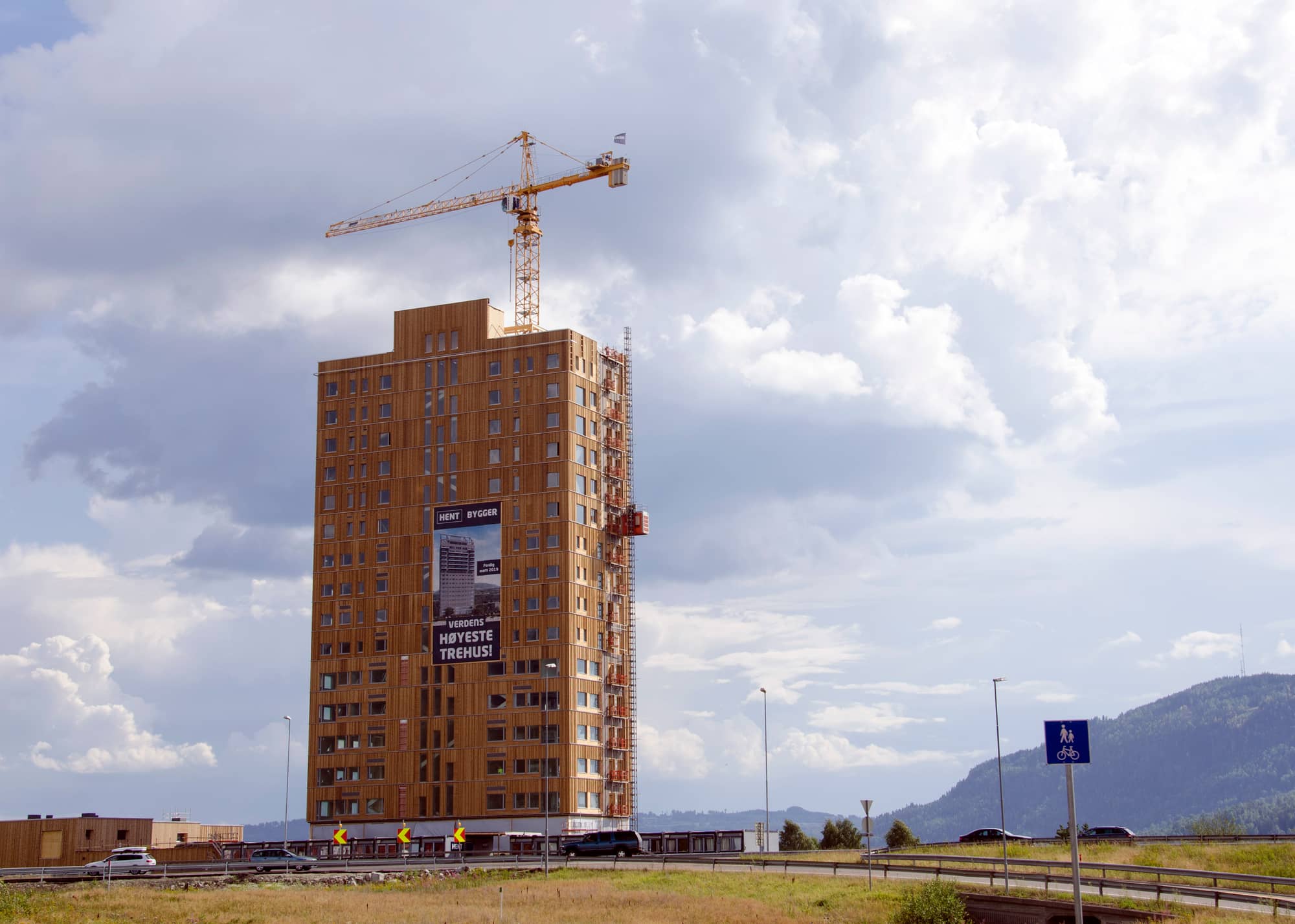
Seven stories across Dezeen and designboom were built around timber, bamboo or other bio-based material. Most were small. Dezeen showed a São Paulo pavilion made of mass-timber offcuts, a bamboo music centre in Chennai presented as "a serious construction material", Studio Marco Vermeulen's Museum Vonk, billed as a testing ground for affordable bio-based building, and a Prague prefab house modelled on a wooden wardrobe, its third most-read story. designboom had a temporary wooden pavilion made permanent, a pavilion of biodegradable modules woven into the Gavarres landscape in Spain, and a timber house with a planted roof by Tato Architects. Earth appeared once, as robotically 3D-printed earth bricks wrapped around an olive tree.
What links them is a change in what a pavilion is for. The pavilion used to be a showpiece for form; this week it was a test of a material's life cycle, from the scrap it is made of to the soil it returns to.
Pattern 3: going back to the masters
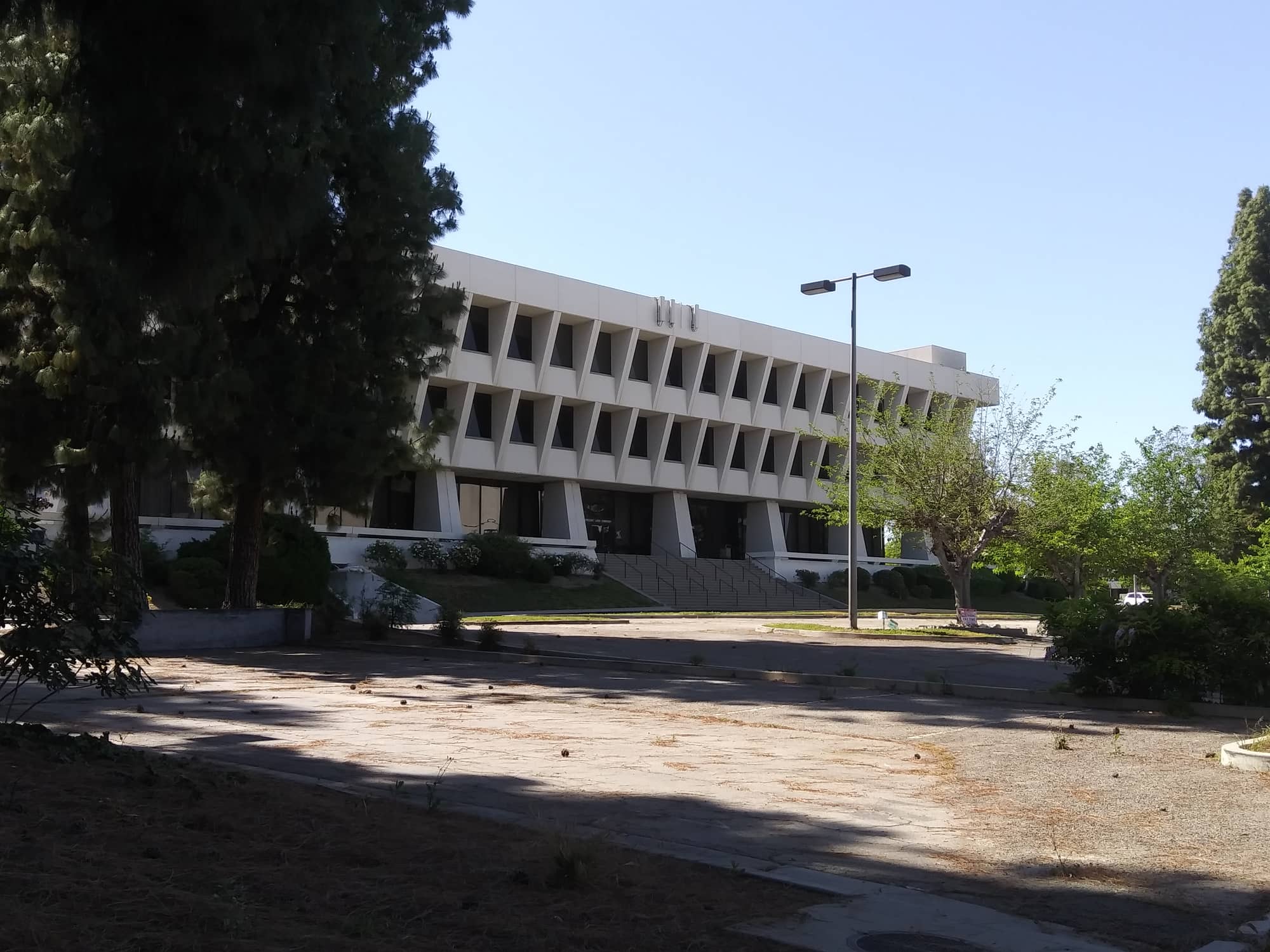
Two of designboom's five most-read stories were about mid-century masters: an essay on Geoffrey Bawa and his view of Sri Lanka, and a photographic return to Ronchamp. designboom also previewed Wim Wenders' documentary on Peter Zumthor, and Dezeen ran a roundup of ten monumental brutalist buildings in Asia on 3 October, just before the window. It fits a wider appetite for named styles and their histories, from Googie diners like Mel's Drive-In in Santa Monica to brutalism.
Pattern 4: play, and the retreat of the giga-project
Architectural Digest's "Trending Stories" included a piece arguing that the next big design movement is childlike, which it calls "elevated elementary". Dezeen interviewed Kevin McCloud, who said residential architecture is getting more playful, and designboom showed plywood horses turning a Seattle monument into a playground.
At the other end of the scale, the second most-commented story on Dezeen was the report that Saudi Arabia's Neom Stadium has been shelved indefinitely, followed later in the week by a Dezeen podcast on why The Line failed. Small, cheap, warm and reusable was in; vast and speculative was out.
What the studio is talking about
Community pages are signals, not sources, so nothing here is counted as fact. The week's top posts on r/architecture leaned towards historic civic buildings, libraries and town halls, plus Japanese houses and vernacular wood; the forum for architecture students was not readable this week. The overlap with the magazines is notable: readers share old buildings, and editors publish new uses for them.
What current architecture trends mean for students
If you are choosing a studio project or a portfolio piece this term, the week's evidence is a brief in itself. Clients and juries are rewarding projects that start with what is already on the site: an existing structure, a material's whole life, a street that can do more. Learn to draw an existing building as carefully as a new one, survey before you design, and show your carbon reasoning, not just your renders. More guides are in the Journal's Architecture School section.
Method
Pages were read on 10 October 2026. A story was counted in a pattern only when its headline or opening paragraph made the theme explicit, and each story was counted once, in its strongest pattern. Counts cover the Dezeen and designboom feeds from 4 to 10 October; ArchDaily's homepage was used for what its editors featured, because it shows no reader ranking. Most-read lists are snapshots taken on one day.
FAQ
What is trending in architecture right now?
What is trending in architecture in October 2026 is reuse: restorations, renovations and conversions led the most-read lists at designboom and Dezeen. Timber and bio-based pavilions, revisits of modernist masters and playful design followed.
What are the architectural trends of 2026?
The architectural trends of 2026 seen this week are adaptive reuse, bio-based materials such as timber and bamboo, renewed interest in mid-century modernism and brutalism, and smaller, playful projects, while giga-projects such as Neom retreat.
Where can I see the latest architecture trends?
The latest architecture trends show up in the most-read and featured lists of ArchDaily, Dezeen, designboom and Architectural Digest. The Journal reads them together each week and links every story it counts.
Sources
- 10 most popular articles this weekdesignboom
- Dezeen homepage: Most popular and Most commentedDezeen
- ArchDaily homepage: FeaturedArchDaily
- Architecture + Design: Trending StoriesArchitectural Digest
- A, B, Chic: Is the next big design movement about being a kid at heart?Architectural Digest
- Salagón stone and floating timber reshape historic rock-cut complex in La Rioja, Spaindesignboom
- Pedrali converts temporary wooden pavilion into permanent community hubdesignboom
- Interlocking biodegradable modules weave regenerative pavilion into Gavarres landscapedesignboom