The best architecture books for students in 2026 are, for the most part, the same ones architecture schools have assigned for decades: Rasmussen on how buildings feel, Venturi on contradiction, Jacobs on cities, Le Corbusier on the modern world. This reading list sets out ten classics that school reading lists still name, with a link to each publisher, then adds four new books that critics and publishers are highlighting this year, and ends with advice on how to read them alongside studio.
Key takeaways
- The canon holds. Cambridge's Downing College lists Rasmussen and Learning from Las Vegas for new students; the Syracuse School of Architecture suggests Venturi, Koolhaas and Le Corbusier.
- Start with experience, not theory. Rasmussen's Experiencing Architecture and Pallasmaa's The Eyes of the Skin teach you to notice how buildings feel before you argue about them.
- For Los Angeles, read Reyner Banham's Four Ecologies with the new sixth edition of An Architectural Guidebook to Los Angeles, which marks buildings lost in the 2025 fires.
- New this year: Naomi Pollock's Vanishing Japan and the Park Books title Antifascist Architecture, both reviewed by Architectural Record in September 2026, plus the first monograph on the collective Assemble.
Why these books
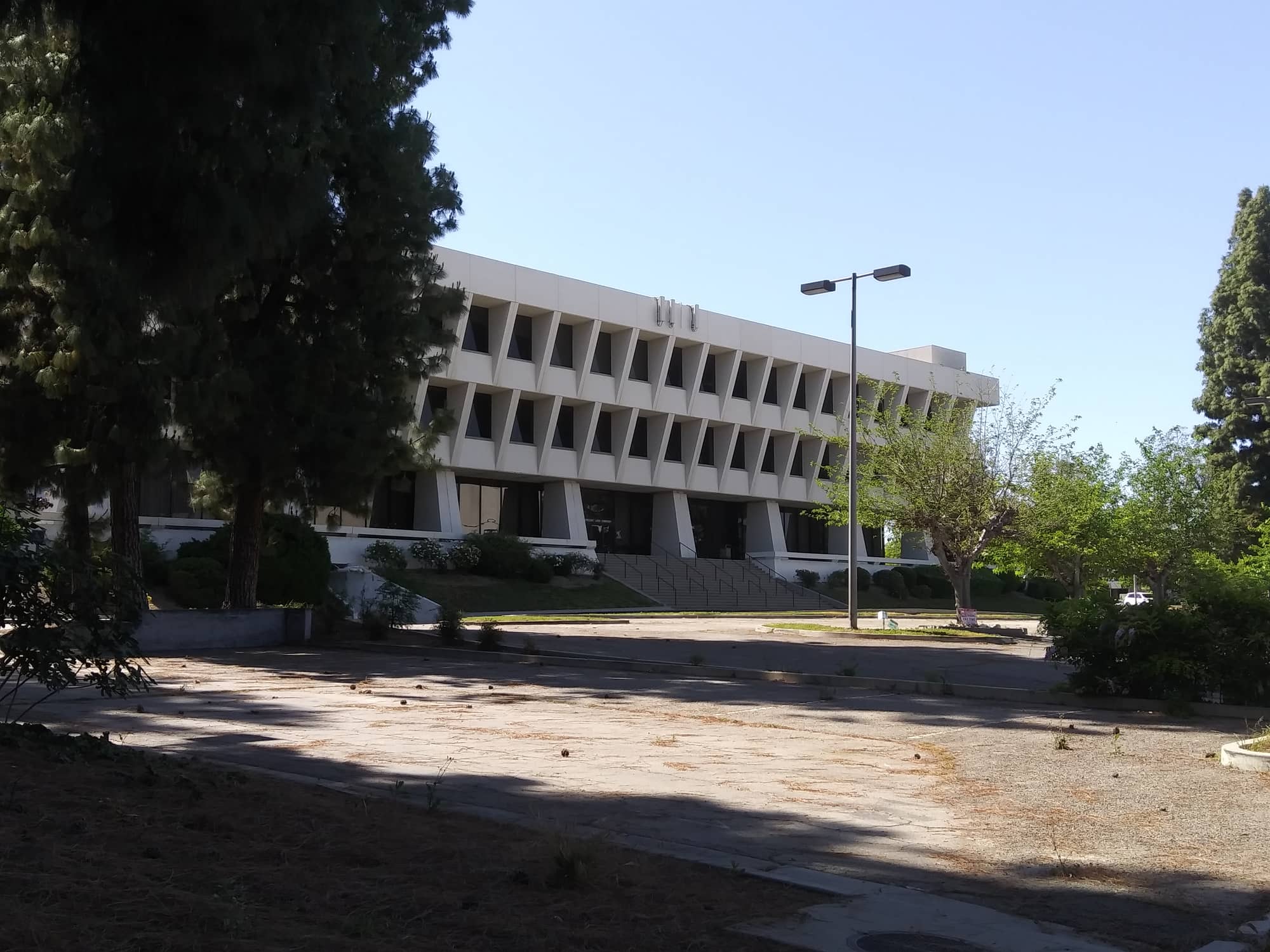
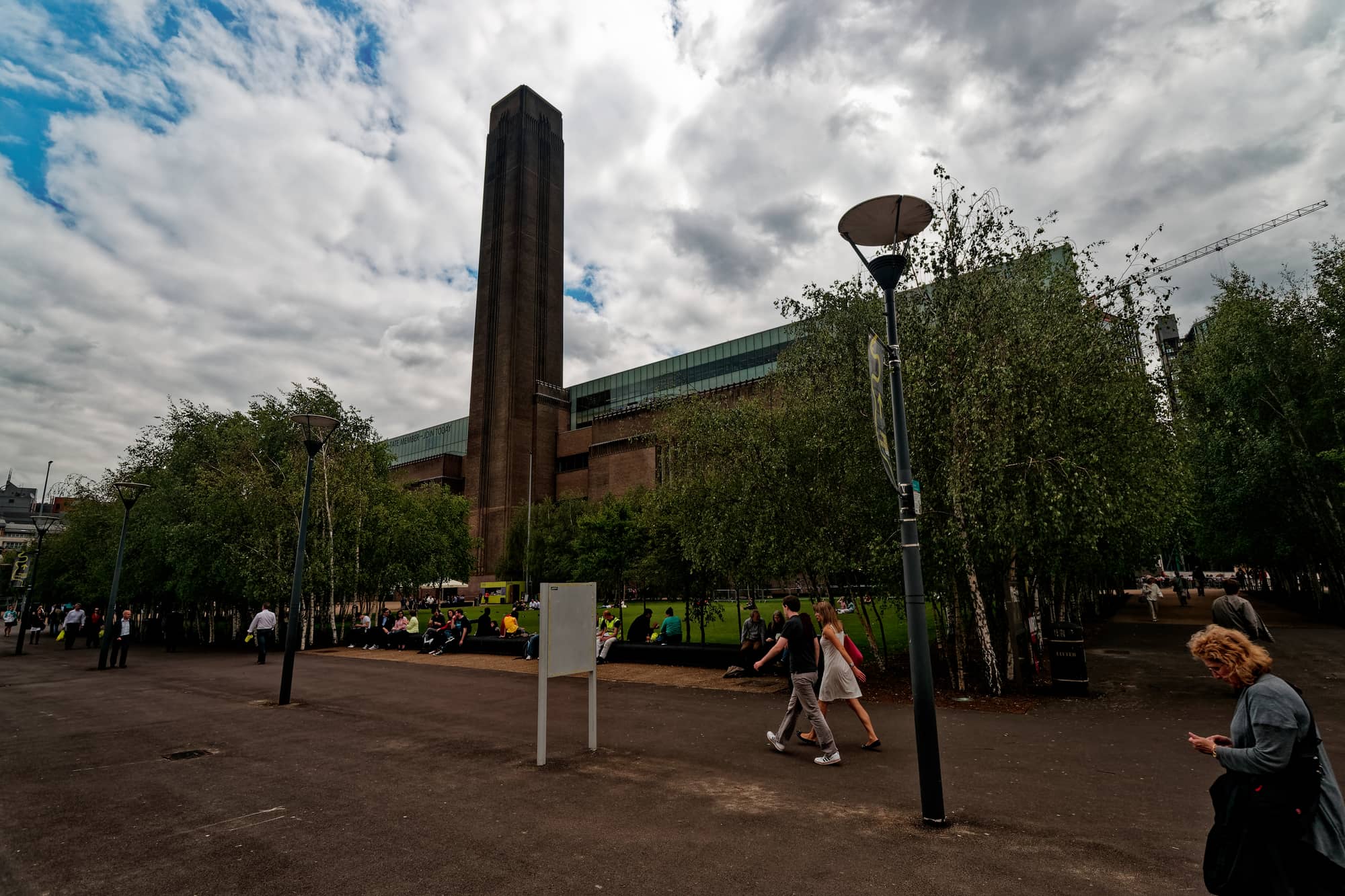
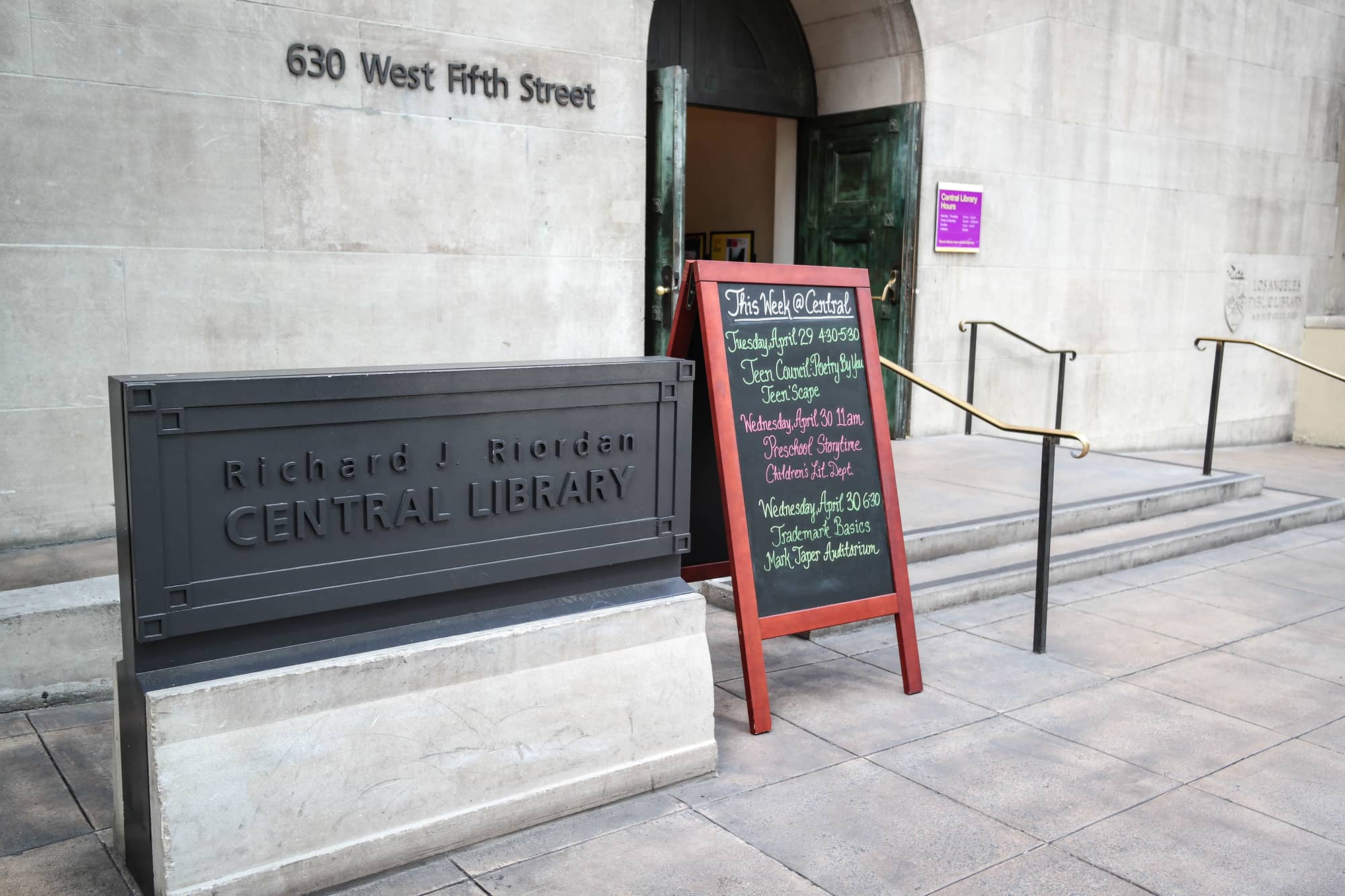
A reading list for architecture students should do three jobs: teach you to see, give you arguments to push against, and show you how designers think about the city. The classics below were chosen because school reading lists still assign them. Downing College, Cambridge lists Rasmussen and Learning from Las Vegas for incoming undergraduates; the Syracuse School of Architecture suggests Complexity and Contradiction, Delirious New York and Toward an Architecture to students preparing for its program, along with novels, magazines and films. No covers are shown here; the photographs are of buildings and places the books are about.
The best architecture books: the classics
| Book | Author | Publisher (edition to look for) | First published |
|---|---|---|---|
| Experiencing Architecture | Steen Eiler Rasmussen | MIT Press, 2nd edition | 2nd edition 1964 |
| Complexity and Contradiction in Architecture | Robert Venturi | Museum of Modern Art | 1966 |
| Learning from Las Vegas | Robert Venturi, Denise Scott Brown, Steven Izenour | MIT Press, revised edition (1977) | 1972 |
| The Death and Life of Great American Cities | Jane Jacobs | Penguin Random House | 1961 |
| Thinking Architecture | Peter Zumthor | Birkhäuser, 3rd expanded edition | — |
| The Eyes of the Skin | Juhani Pallasmaa | Wiley, 4th edition (2024) | 1996 |
| Architecture: Form, Space, and Order | Francis D. K. Ching | Wiley, 5th edition (2023) | — |
| Delirious New York | Rem Koolhaas | Monacelli / Phaidon | 1978 |
| Los Angeles: The Architecture of Four Ecologies | Reyner Banham | University of California Press, 2nd edition (2009) | 1971 |
| Toward an Architecture | Le Corbusier | Getty Publications, translated by John Goodman | 1923 |
Experiencing Architecture, by Steen Eiler Rasmussen
The gentlest way into the discipline. Rasmussen explains architecture through what you experience: scale and proportion, rhythm, texture, light, colour and even sound. His argument, as the publisher's page summarises it, is that architecture was once a community undertaking, not just an individual's. Read it in your first term, then walk around campus and test it.
Complexity and Contradiction in Architecture, by Robert Venturi
First published by the Museum of Modern Art in 1966, it is described by its distributor as the founding text of postmodernism in architecture. It is the book that made it respectable to prefer richness and ambiguity to purity, and the one to read when your studio critic asks for "clarity" and you suspect clarity is not the whole story.
Learning from Las Vegas, by Venturi, Scott Brown and Izenour
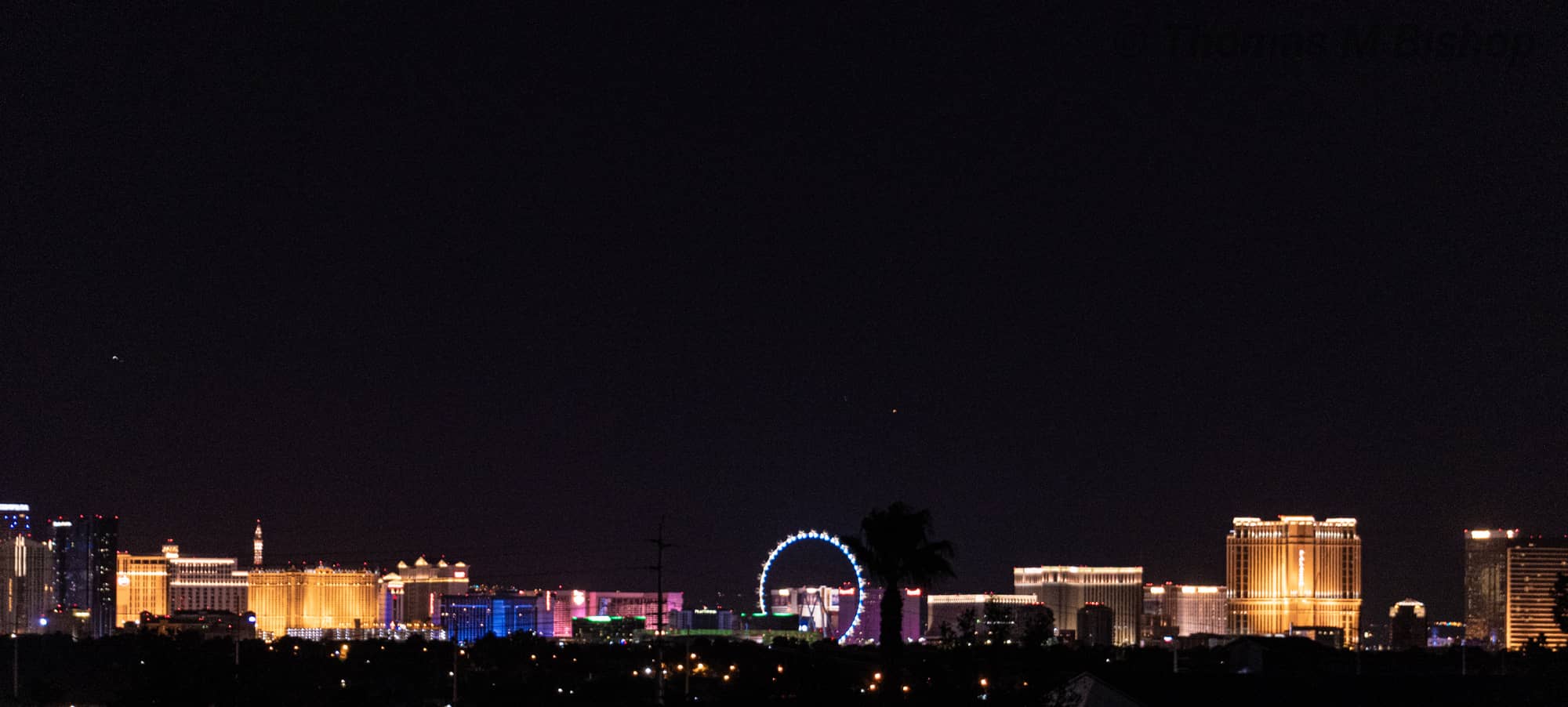
It "created a healthy controversy on its appearance in 1972", in the words of MIT Press's description, by asking architects to be more receptive to the tastes and values of ordinary people. Its second part, "Ugly and Ordinary Architecture, or the Decorated Shed", is still the quickest way into arguments about signs, roadside buildings and the strip, and a good companion to the Journal's story on Mel's Drive-In Santa Monica.
The Death and Life of Great American Cities, by Jane Jacobs
Jacobs' 1961 attack on the planning orthodoxy of her day is not an architecture book in the narrow sense, which is exactly why architects should read it. It is about streets, sidewalks, mixed uses and the life between buildings, and it won the Sidney Hillman Prize in 1961, according to Penguin Random House. Read it with the Journal's guide to missing middle housing.
Thinking Architecture, by Peter Zumthor
Essays by the architect of the new Fondation Beyeler expansion. Birkhäuser's description puts its idea simply: architecture with a sensuous connection to life needs thinking that goes far beyond form and construction. The third edition adds essays including "Architecture and Landscape".
The Eyes of the Skin, by Juhani Pallasmaa
First published in 1996 and now in a fourth edition from Wiley, it asks why sight has come to dominate architectural culture at the expense of the other senses. It is a short book and a useful corrective to a studio culture built on renders.
Architecture: Form, Space, and Order, by Francis D. K. Ching
The textbook in the list, and the one you will open most. Wiley calls it the classic introduction to the basic vocabulary of architectural design; it teaches through drawings, which is why it works for students who learn by seeing. Look for the fifth edition, published in April 2023.
Delirious New York, by Rem Koolhaas
Published in 1978, it reads Manhattan as a laboratory for what Koolhaas called "the culture of congestion". Phaidon's page quotes him calling Manhattan "the 20th century's Rosetta Stone". It is funny, provocative and the best antidote to the idea that density is a problem to be solved.
Los Angeles: The Architecture of Four Ecologies, by Reyner Banham
The book that taught the world to take Los Angeles seriously. Banham organised the city into four "ecologies": the beach, the freeways, the flatlands and the foothills. The University of California Press edition of 2009 has a foreword by Joe Day of SCI-Arc. Banham is also the critic who made "new brutalism" famous, which the Journal's guide to brutalist architecture explains.
Toward an Architecture, by Le Corbusier
Published in 1923, it urged readers, in Getty's summary, to stop thinking of architecture as a matter of historical styles and to open their eyes to the modern world. Read the Getty translation by John Goodman, with Jean-Louis Cohen's introduction, which sets the polemic in its time.
New this year: the best architecture books of 2026
| Book | Author | Publisher | Highlighted by |
|---|---|---|---|
| An Architectural Guidebook to Los Angeles, updated 6th edition | Robert Inman, David Gebhard, Robert Winter | Angel City Press at LAPL | Publisher: a Los Angeles Times bestseller |
| Vanishing Japan | Naomi Pollock | Thames & Hudson | Architectural Record excerpt, 29 September 2026 |
| Antifascist Architecture | Andrew Santa Lucia, Daniel Jonas Roche | Park Books | Architectural Record review, 9 September 2026 |
| Assemble: Building Collective | Aaron Betsky | Thames & Hudson | Wallpaper*'s new architecture books |
An Architectural Guidebook to Los Angeles. First published by LACMA in 1965, the city's standard guide is back in a sixth edition: 96 sections in 13 geographic chapters, more than 200 new entries, coverage up to projects completed in 2017, and notes on the buildings lost in the 2025 Eaton and Palisades fires. It costs $45. If you study in LA, it belongs in your bag.
Vanishing Japan. Pollock records some ninety postwar Japanese buildings demolished since 2000. Architectural Record, which published an excerpt, frames it with the 2022 demolition of Kisho Kurokawa's Nakagin Capsule Tower. It is a preservation book disguised as a photo book.
Antifascist Architecture. Park Books presents it as the first attempt to arrive at a usable definition of antifascist architecture. Stephan Trüby's review in Architectural Record takes it seriously and argues with it, which is the right way to read it too.
Assemble: Building Collective. The monograph on the Turner Prize-winning collective, formed in 2010 to build and run a temporary cinema on a disused petrol station, written from conversations with the critic Aaron Betsky. Wallpaper* included it in its round-up of new architecture books. Read it for a model of practice that starts with people, not form.
How to read the best architecture books in studio
- One book per project. Match the reading to the brief: Jacobs for an urban site, Rasmussen or Pallasmaa for a house, Banham for anything in Los Angeles.
- Draw what you read. Diagram one argument from each book in your sketchbook; it is the fastest way to make theory usable at a desk crit.
- Use the library. Check your school library before you buy: classics that appear on reading lists are usually on its shelves.
- Read across. Pair a classic with a new title: Le Corbusier with Assemble, Koolhaas with Vanishing Japan. The arguments get sharper side by side.
More guides for students, including the week's architecture trends, are in the Journal's Architecture School section.
FAQ
What books should architecture students read?
The books architecture students should read first are Rasmussen's Experiencing Architecture, Ching's Architecture: Form, Space, and Order and Venturi's Complexity and Contradiction in Architecture, followed by Jacobs, Koolhaas and Le Corbusier.
What are the best architecture books for beginners?
The best architecture books for beginners are Rasmussen's Experiencing Architecture, which explains buildings through everyday experience, and Ching's Architecture: Form, Space, and Order, which teaches design vocabulary through drawings.
What are the best new architecture books of 2026?
The best new architecture books of 2026 include Naomi Pollock's Vanishing Japan (Thames & Hudson), Antifascist Architecture by Andrew Santa Lucia and Daniel Jonas Roche (Park Books), and the updated sixth edition of An Architectural Guidebook to Los Angeles.
Sources
- Undergraduate reading list: ArchitectureDowning College, University of Cambridge
- Undergraduate preparationSyracuse University School of Architecture
- Experiencing Architecture, second editionThe MIT Press (via Penguin Random House)
- Complexity and Contradiction at FiftyThe Museum of Modern Art (via Artbook | D.A.P.)
- Learning from Las Vegas, revised editionThe MIT Press (via Penguin Random House)
- The Death and Life of Great American CitiesPenguin Random House
- Thinking ArchitectureBirkhäuser
- The Eyes of the Skin: Architecture and the Senses, 4th editionWiley
- Architecture: Form, Space, and Order, 5th editionWiley
- Delirious New York: A Retroactive Manifesto for ManhattanPhaidon / The Monacelli Press
- Los Angeles: The Architecture of Four EcologiesUniversity of California Press
- Toward an ArchitectureGetty Publications
- An Architectural Guidebook to Los Angeles, updated sixth editionAngel City Press at Los Angeles Public Library
- Vanishing JapanThames & Hudson
- Naomi Pollock surveys lost postwar structures in Vanishing JapanArchitectural Record
- Antifascist ArchitecturePark Books
- A loose canon of antifascist architecture takes aim at capitalist practiceArchitectural Record
- Assemble: Building CollectiveThames & Hudson
- The best new architecture booksWallpaper*