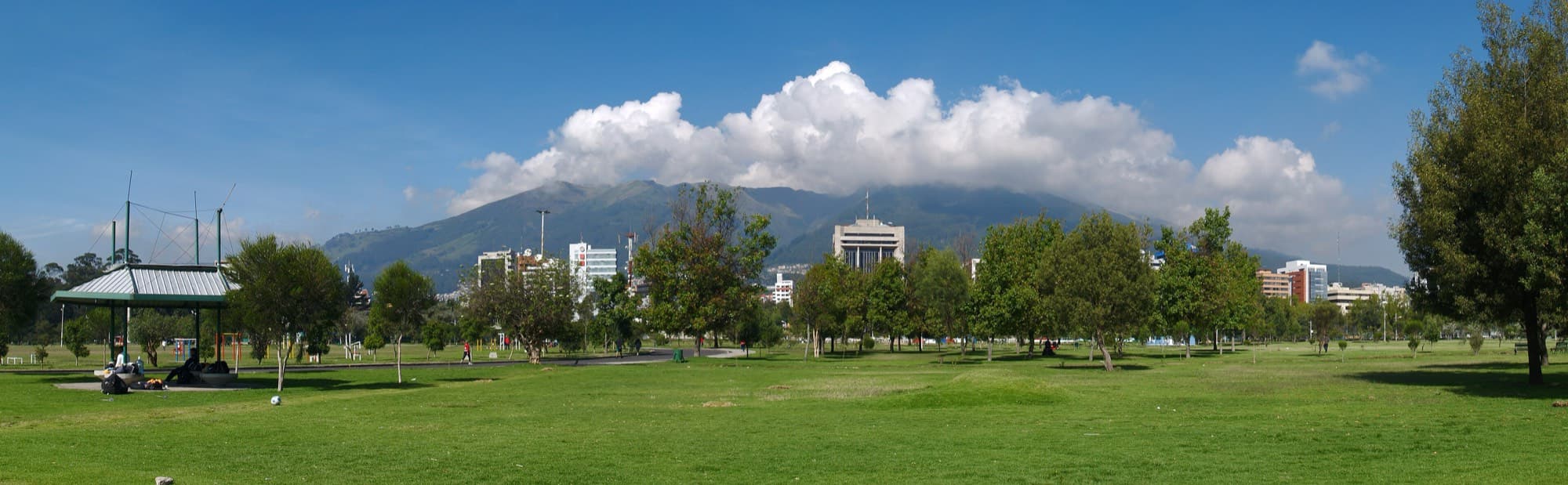
The National Museum of Ecuador competition has a winner at the second attempt. On 19 July 2026, "Living Strata", a terraced museum in terracotta brick by SANAA with Quito's Estudio A0 and Caá Porá Arquitectura and New York's Jerome Haferd Studio, won a rerun by 0.1 point. The government had annulled the first result after a public backlash. The museum, about 36,000 m², will rise beside Parque La Carolina in Quito.
Key takeaways
- A result overturned. On 6 July 2026 a jury chose "Ecos del Sol" by Estudio Campo Baeza and MAODA. After an online petition, the minister of infrastructure, who had sat on that jury, annulled it on 10 July.
- A rerun with a public vote. Ten of the 17 finalists resubmitted. A new jury's score counted for 85% and a public vote of 50,681 for 15%.
- The narrowest win. SANAA's team scored 81.7, against 81.6 for Mario Cucinella Architects. It was second with both the jury and the public, but first on the combined total.
- A museum for 1.2 million objects. MuNa has never had a building of its own. The new one is budgeted at about US$100 million, with groundbreaking planned for the second quarter of 2027.
How the National Museum of Ecuador competition unravelled
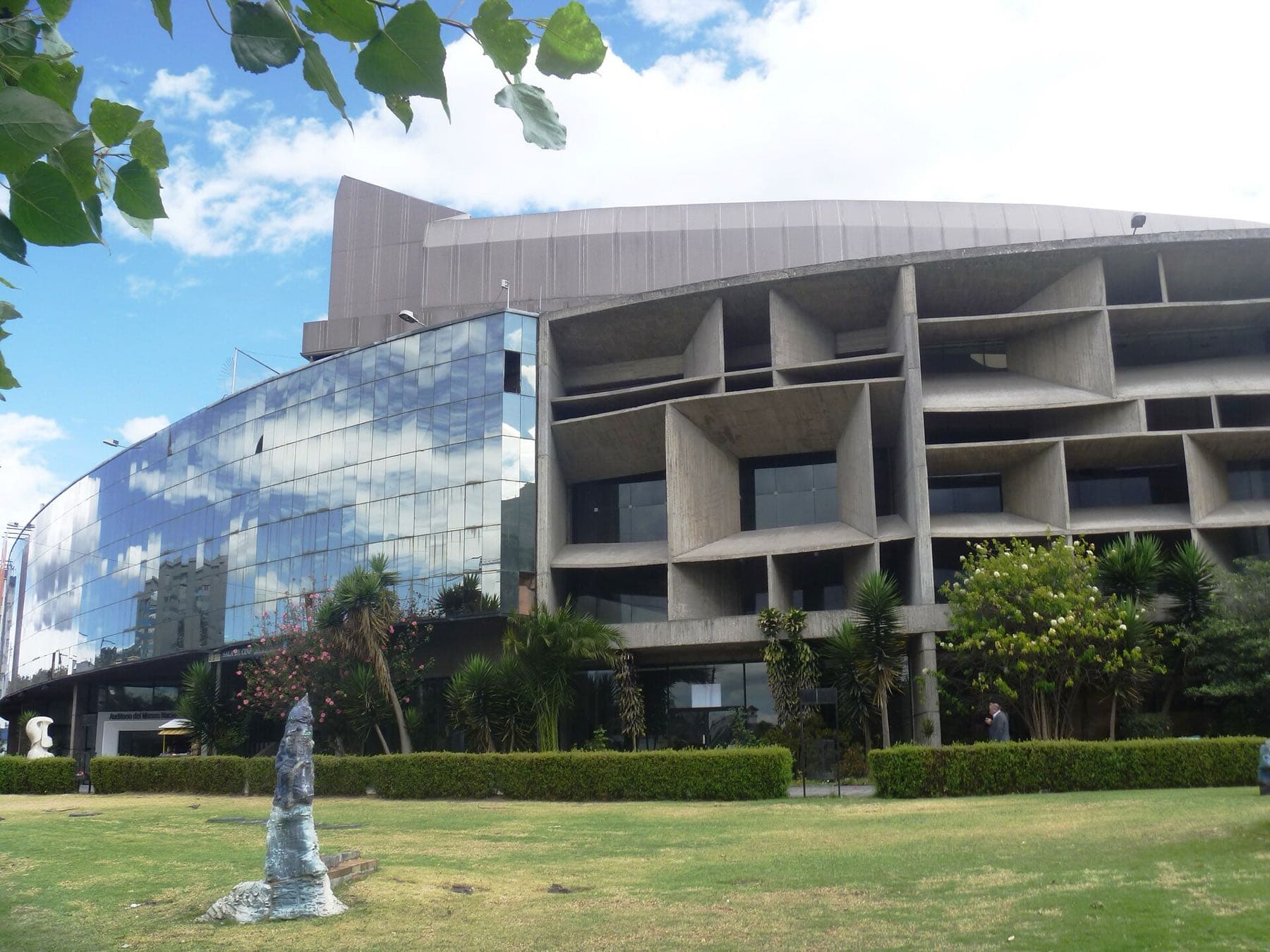
The brief was overdue. The Museo Nacional del Ecuador (MuNa) holds about 1.2 million objects spanning roughly 12,000 years. According to The Art Newspaper, it has never had a purpose-built home since it opened in 1969; it shows its collection in the Casa de la Cultura. The two-stage international call drew 148 proposals from more than 20 countries. Seventeen designs reached the final.
On 6 July the jury chose "Ecos del Sol" by the Spanish architect Alberto Campo Baeza's studio with the Ecuadorian practice MAODA: a large, sealed concrete volume. Within two days, a Change.org petition to re-evaluate the design had nearly 3,000 signatures, Primicias reported. It later passed about 20,000. The petition made three complaints: a grey "wall" out of scale with the park, a corporate look at odds with national identity, and a lack of transparency over a US$100 million budget.
Then came an unusual reversal. Roberto Luque, the minister of infrastructure, had sat on the jury as the president's delegate. On 10 July he annulled the result on X. "The proposed design for the National Museum is not what Ecuador needs, especially Quito," he wrote, in Dezeen's translation. The vice-minister of culture was asked to resign, and MuNa's director also stepped down. Campo Baeza and MAODA replied with a public statement titled "In defence of architecture competitions". They pointed out that the rules had called the jury's decision final and not open to appeal.
The rerun: a new jury, a public vote and 0.1 point
All 17 finalists were invited to resubmit, and ten did. The second-placed team from the first round declined. A new jury of Mathieu de Genot, Christian Wiese and Lu Junliang scored the entries, with Fernanda Ponce advising on museography. Their marks counted for 85%. A public online vote, which drew 50,681 votes and was extended after technical glitches, counted for the remaining 15%. Vistazo published the three leading scores on 19 July:
| Team | Jury (85%) | Public vote (15%) | Total |
|---|---|---|---|
| SANAA + A0-CPA-JHS — "Living Strata" | 69.7 | 12 (20,623 votes) | 81.7 |
| Mario Cucinella Architects with Robert Bird & Partners, Atelier Ten and Parcnouveau | 66.6 | 15 (21,047 votes) | 81.6 |
| Estudio B720 Arquitectura & LERA — "Topografías de Memoria" | 70.3 | 9 (9,011 votes) | 79.3 |
The arithmetic matters. B720 and LERA had the jury's top mark, and Cucinella won the public vote, but SANAA came second in both and so led the combined total.
The 17 finalists
Primicias published the 17 finalist teams after the first round. The full list of the ten that resubmitted was never made public.
| Finalist team | First result (6 July) | Rerun (19 July) |
|---|---|---|
| Estudio Campo Baeza + MAODA — "Ecos del Sol" | 1st (annulled) | Did not take part |
| MCMA-MP-EA | 2nd | Declined |
| SANAA + A0-CPA-JHS — "Living Strata" | 3rd | Winner (81.7) |
| Estudio B720 Arquitectura & LERA | Honourable mention | 3rd (79.3) |
| Mario Cucinella Architects and partners | Finalist | 2nd (81.6) |
| Consorcio Norte del Sur | Honourable mention | Not published |
| Bermúdez + Endara Arquitectos | Finalist | Endara Arquitectos declined |
| Najas Arquitectos – Arata Isozaki; NietoSobejano + Intemperie Studio + EMPTY + ARUP; PRODUCTORA + Handel Guayasamín arquitectos; Rafael Viñoly Architects; Aires Mateus; WOZ; OMA + AFRA; Brasil Arquitetura; MONEO-MONEO BROCK-MARVEL; Arquitetos Associados | Finalists | Not published |
Living Strata: a museum as a stack of plazas
SANAA — Kazuyo Sejima and Ryue Nishizawa, the 2010 Pritzker laureates — describe the winning scheme as "a system of interconnected vertical plazas" wrapped in terracotta brick. It has nine storeys, with storage and parking below ground and the galleries on the upper floors. At ground level the building is meant to continue Parque La Carolina: circular courtyards cut down through the volume, surrounded by pools and planting. Horizontal layers stand for the stratification of time and are linked by vertical patios and voids. The team says it seeks a dialogue with the Pichincha volcano.
Inspired by pre-Columbian and post-Columbian cultures, the project embraces the circle as an expression of collective memory, gathering, and connection with the cosmos.
ArchDaily reports that Indigenous, Afro-Ecuadorian and mestizo advisers took part in the design process. That answers one of the petition's complaints head-on: the brick, the circle and the terraces read as Andean rather than corporate.
The scheme has critics too. Alejandro Zaera-Polo, who sat on the first jury, told The Art Newspaper that SANAA's glass walls expose art to sunlight and that its below-water-table storage is cut off from the galleries. "Structurally, it does not work. It literally cannot stand," he said. Campo Baeza's sealed box had kept its stores above flood level. The differences between the two schemes are real and technical, not only a matter of taste.
What the controversy means for competitions
Competitions depend on one promise: the jury decides. In Quito a minister overruled a jury he had sat on, and the rules were rewritten mid-process to add a public vote. A petition does not have to be wrong to be a dangerous precedent. Studios invest heavily in a two-stage international entry because they trust the result will stand. The winning design may well be the better building for Quito. The process by which it won will make the next brief harder to trust.
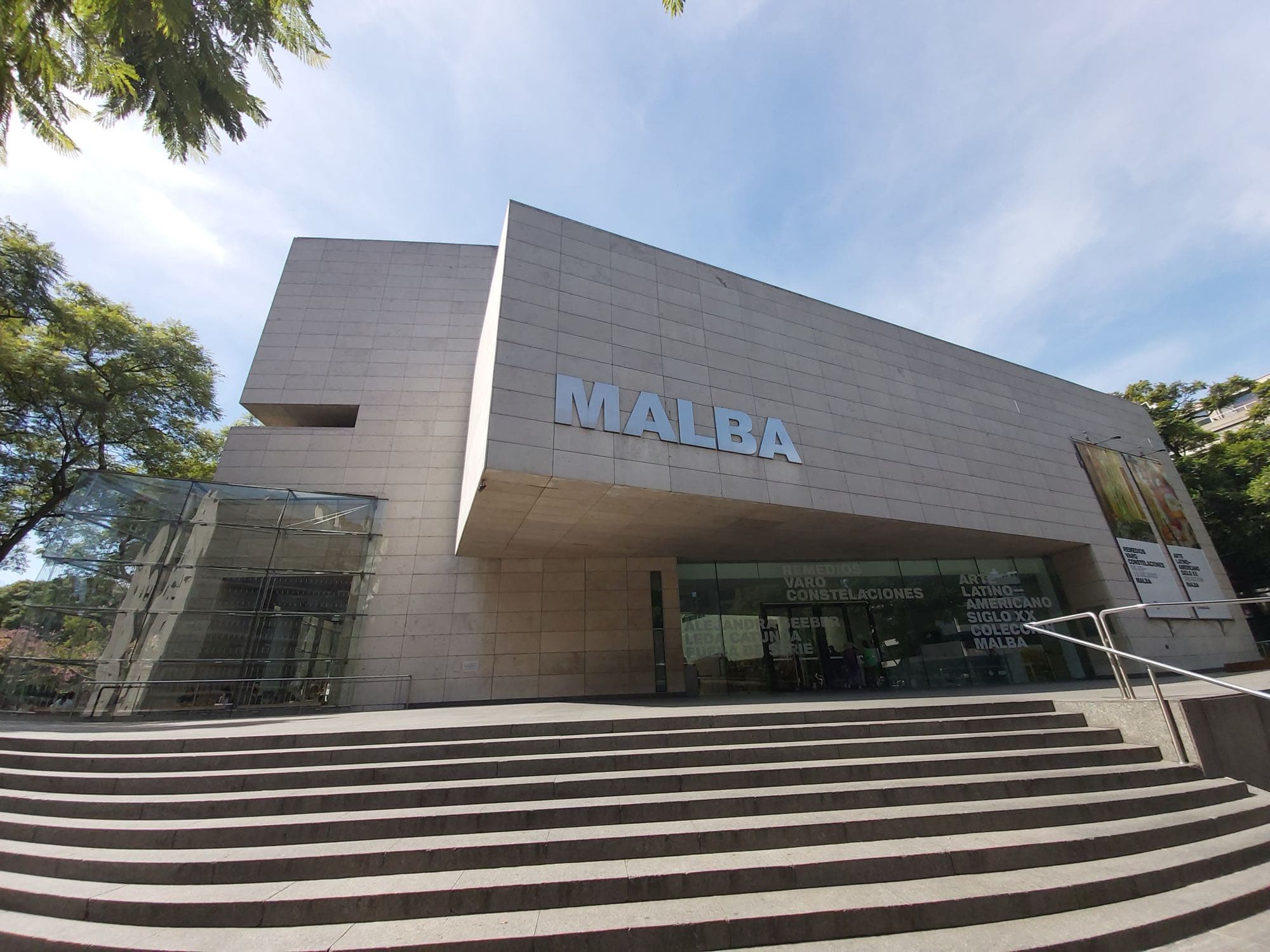
There is also a lesson for clients about public buildings. A rendering of a grey monolith in a beloved park was always going to be read as a wall. Compare Buenos Aires, where the Malba expansion was framed from the start around keeping Plaza Perú public. Prizes judge differently again. The Stirling Prize 2026 shortlist, for instance, is drawn from completed, award-winning buildings: architecture judged once it is built and in use. More results are in the Journal's Competitions section.
What happens next
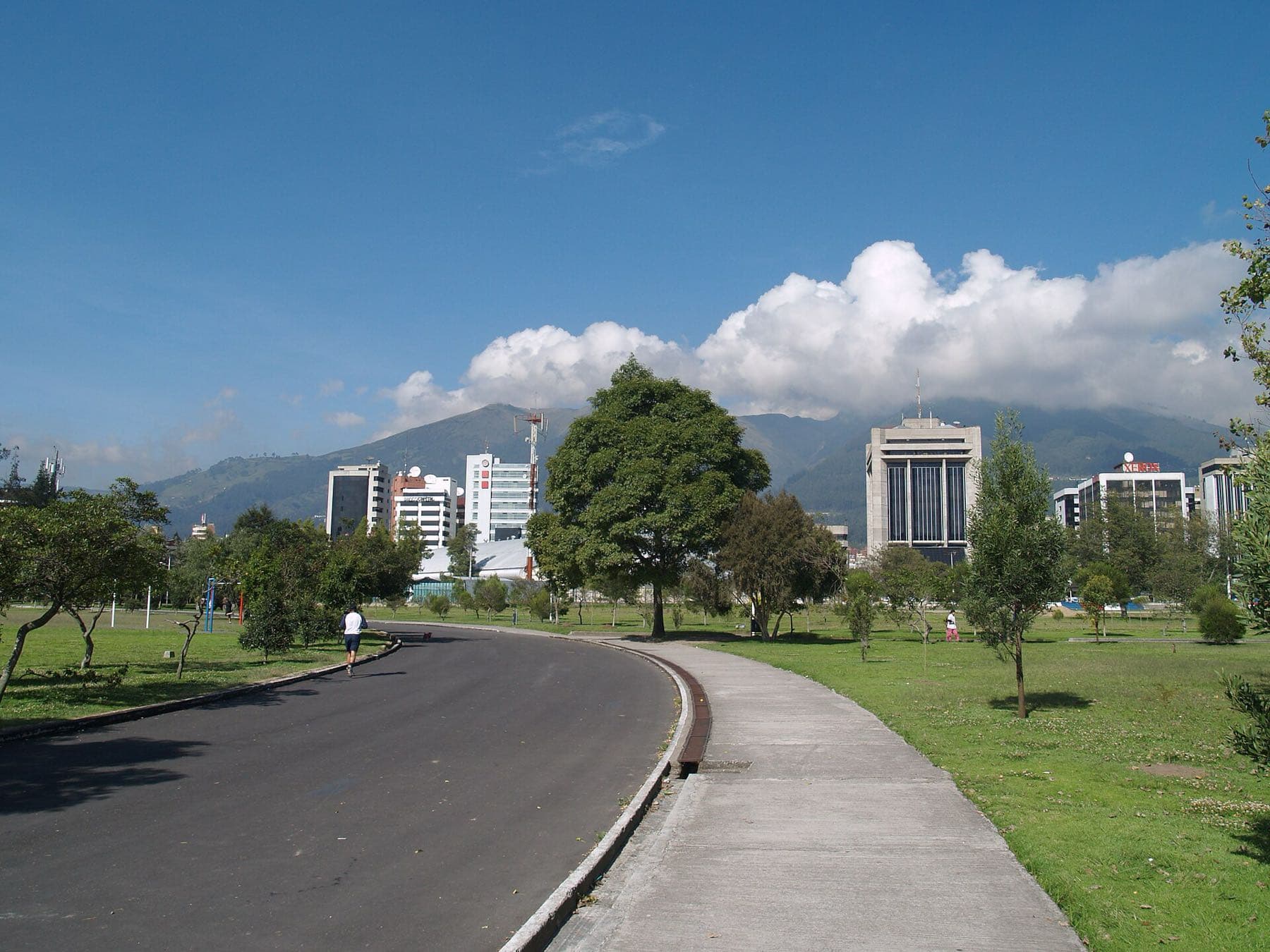
The site is at Avenida Eloy Alfaro and Avenida de la República, at the south end of Parque La Carolina. Dezeen notes that projects by BIG, Kengo Kuma and Safdie Architects are nearby. On 2 September 2026 the new vice-minister of culture, Pamela Cortés, said the project was in its feasibility stage. She said the first stone is due in the second quarter of 2027 and delivery in 2028, Expreso reported. The US$100 million figure comes from the investment plan, and the final cost will follow engineering and tender.
FAQ
Who won the National Museum of Ecuador design competition?
SANAA with Estudio A0, Caá Porá Arquitectura, Jerome Haferd Studio and Taller Capital Landscape (SANAA + A0-CPA-JHS) won with "Living Strata" on 19 July 2026, scoring 81.7 against 81.6 for Mario Cucinella Architects.
Why was the Campo Baeza design rejected?
The first-round winner, "Ecos del Sol" by Estudio Campo Baeza and MAODA, was annulled on 10 July 2026 after an online backlash and a petition. The petition objected to its scale beside Parque La Carolina, its corporate appearance and the transparency of the budget.
How much will the new National Museum of Ecuador cost?
The new National Museum of Ecuador is budgeted at about US$100 million in the government's investment plan, with the final figure due after engineering and tender. Construction is planned to start in 2027 and finish in 2028.
Sources
- SANAA design for Ecuador museum selected after backlashDezeen
- National Museum of Ecuador recalls Alberto Campo Baeza designDezeen
- Ecuador’s national museum picks new design for $100m home following pushback to original selection and resignationsThe Art Newspaper
- SANAA-Led Team Reveals Selected Design for Ecuador's New National Museum in QuitoArchDaily
- SANAA wins MuNa competition after controversyArquitectura Viva
- SANAA gana el concurso para el nuevo Museo Nacional del Ecuador; así quedaron los resultadosVistazo
- ¿Cuál será el nuevo diseño del Museo Nacional del Ecuador? Estos son los proyectos finalistasPrimicias
- Diseño del Museo Nacional del Ecuador 'va más allá de los gustos estéticos', dice Viceministra de CulturaPrimicias
- Comunicado: En defensa de los concursos de arquitecturaEstudio Campo Baeza + MAODA
- Museo Nacional (MuNa): fechas previstas para su construcción y entrega: viceministraExpreso
- Kazuyo Sejima and Ryue Nishizawa — 2010 laureatesThe Pritzker Architecture Prize